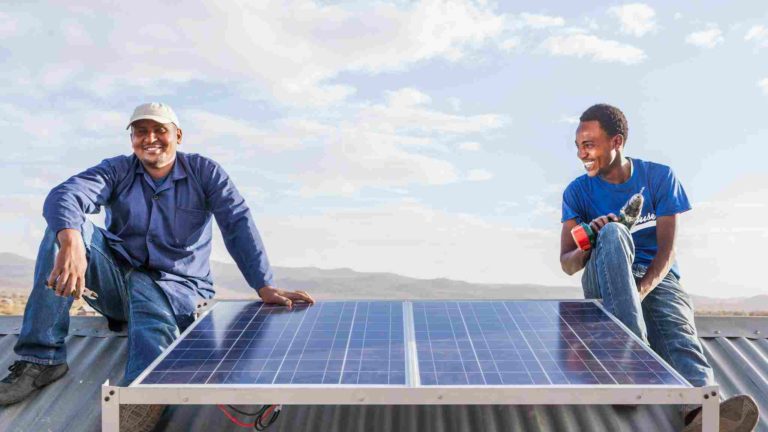
Nigeria, a country known for its inconsistent power supply, has created a lucrative market for the solar energy industry. With frequent power outages and unreliable electricity grids, the demand for alternative energy sources has skyrocketed.
This article aims to provide valuable insights on establishing a solar energy business in Nigeria, highlighting the immense potential and opportunities available in this growing sector.
Firstly, it is crucial to understand the current energy landscape in Nigeria. The country heavily relies on fossil fuels, particularly oil and gas, for its energy needs. However, the inadequate infrastructure and mismanagement of resources have resulted in a significant energy deficit. This has led to frequent power outages, leaving businesses and households in the dark. As a result, the demand for reliable and sustainable energy solutions, such as solar power, has surged.
One of the key advantages of venturing into the solar energy industry in Nigeria is the abundance of sunlight. The country is blessed with a high solar irradiation level, making it an ideal location for solar power generation. This natural resource can be harnessed to provide clean and renewable energy, reducing the dependence on fossil fuels and mitigating the environmental impact.
Furthermore, the Nigerian government has recognized the importance of renewable energy and has implemented various policies and incentives to promote its adoption. The Renewable Energy Master Plan (REMP) and the National Renewable Energy and Energy Efficiency Policy (NREEEP) are some of the initiatives aimed at encouraging investment in the renewable energy sector. These policies provide tax incentives, grants, and other financial support to businesses operating in the solar energy industry.
In addition to government support, there is a growing interest from international organizations and investors in Nigeria’s solar energy market. This has resulted in the availability of funding and partnerships for entrepreneurs looking to establish their solar energy businesses. Collaborating with these organizations can provide access to capital, technology, and expertise, giving a significant boost to the growth and success of the venture.
Moreover, the potential customer base for solar energy solutions in Nigeria is vast. Both residential and commercial sectors are actively seeking reliable and cost-effective alternatives to traditional electricity sources. This presents a tremendous opportunity for entrepreneurs to tap into this market and provide innovative solar energy solutions tailored to the specific needs of Nigerian consumers.
However, it is essential to navigate the challenges and considerations associated with establishing a solar energy business in Nigeria. These include regulatory hurdles, such as obtaining licenses and permits, as well as navigating the complex bureaucracy. Additionally, the lack of awareness and understanding of solar energy among the general population may require extensive marketing and educational efforts to promote the
What is solar energy?
According to the Solar Energy Industries Association, solar power is energy from the sun that is converted into thermal or electrical energy.
Solar energy is the cleanest and most abundant renewable energy source available on earth. Home, offices, industries, and commercial centres can harness this energy for various uses.
Is the solar energy business profitable in Nigeria?
Yes, it is. It’s a fact well known that solar energy businesses are very profitable in Nigeria, due to the erratic power supply in the country.
At first, it wasn’t that lucrative because people felt spending money on solar energy products is a luxury that was only meant for the wealthy.
In fact, some Nigerians still feel that way to date. However many are now enlightened on its long-term benefits.
Today, solar energy businesses are now profitable in Nigeria and you can make lots of money from it.
How to start a solar energy business in Nigeria
Here’s a step-by-step guide on how to start a solar energy business:
1. Choose a solar energy business niche and focus on it
There are 4 different categories you can choose from when starting a solar energy business in Nigeria. They are listed below.
- Manufacturing of inverters and other solar energy products
- Selling of solar energy products (either as an affiliate or an established distributor)
- Installation of inverters and other solar energy products
- Maintenance and repair of inverters and other solar energy products
2. Register your solar energy business in Nigeria
Once you have done your research and decided on which solar energy business you want to start, you should start making plans on how to register your business.
You can register as a sole proprietorship or as a limited liability company.
If you don’t register your solar energy business, you can’t be a manufacturer (that’s for sure). Even if you decide to venture into sales, installation or repair, you will still have to connect with companies larger than yours.
And to do that, you have to register your business to look more professional and credible. Also, buyers will trust you more. An inverter costs a very huge amount of money. Some people have been saving money for it for years.
Whenever such buyers want to buy, install or repair an inverter you can’t expect them to patronize someone whose business is not even registered.
Steps to establish a profitable POS business in Nigeria
Kohli joins GOAT discussion in high-scoring World Cup.
Coach K believes Jeezy’s relevance outweighed Jay-Z’s at their peaks
3. Draft a business plan for your solar energy business
After choosing a business category and registering it, the next step is to draft a business plan for your solar energy business.
A business plan is a document that shows the aims and objectives of your business. It will also highlight the strategies to achieve them.
This will not only help you achieve the short and long-term objectives of your business but also help you secure contracts with larger solar energy companies.
Also, a business plan will help you convince investors to raise investment capital for your business.